
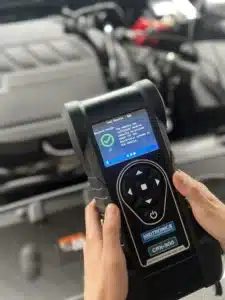
Choosing the right battery tester for your workshop depends on more than just price. The best option will depend on the types of vehicles you service, the batteries you test, how often the tester will be used, and whether you need professional reporting for customers, fleets or dealership processes.
Hot Wire supplies professional battery testing and diagnostic equipment for workshops, dealerships, fleets, battery specialists and technical teams across Australia. This guide explains what to consider when choosing a battery tester for your workshop.
1. Start with how the tester will be used
Before choosing a battery tester, think about the day-to-day role it will play in your workshop.
A smaller workshop may only need a simple tester for checking customer batteries during servicing. A dealership or larger service department may need more advanced diagnostics, printed reports, start-stop battery testing and consistent test records. A fleet or heavy vehicle workshop may need 12V and 24V testing capability.
Useful questions to ask include:
- Are you testing cars, motorcycles, trucks, machinery or mixed vehicles?
- Do you need 12V only, or 12V and 24V testing?
- Do you need to test AGM, EFB, start-stop or lithium batteries?
- Do you need printed or digital reports?
- Will the tester be used by one person or multiple technicians?
- Is the tester mainly for quick checks or professional diagnostics?
The clearer the application, the easier it is to choose the right product.
2. Basic battery testers vs professional diagnostic tools
Not every customer needs the most advanced battery diagnostic platform. A simple battery tester may be enough for quick battery checks, especially for smaller workshops, trade users or home mechanics.
However, professional workshops often need more than a basic pass/fail result. A workshop-grade battery diagnostic tool can help assess battery condition, state of health, starting performance and charging system issues. Some models also support printed reports, start-stop battery testing and more advanced diagnostic workflows.
As a general guide:
Basic battery testers are best for:
- quick battery checks
- smaller workshops
- mobile users
- home mechanics
- simple 12V battery testing
Professional diagnostic testers are best for:
- dealerships
- busy workshops
- fleet operators
- service departments
- battery specialists
- customers needing reports or repeatable test processes
If you are unsure, Hot Wire can help match the tester to your workshop’s actual use case.
3. Consider the battery types you work with
Modern workshops may deal with a wide range of battery types, including flooded lead-acid, AGM, EFB, start-stop and lithium batteries. Not every battery tester is suitable for every battery type.
If your workshop services newer vehicles, start-stop systems or specialist battery applications, check the tester specifications carefully. A tester that works well for basic 12V lead-acid batteries may not be the right option for AGM, EFB or lithium applications.
When comparing testers, check whether the unit supports:
- 12V battery testing
- 24V system testing
- AGM batteries
- EFB batteries
- start-stop batteries
- lithium batteries, where required
- charging system tests
- starter system tests
Choosing a tester that suits your battery mix helps avoid unreliable results and reduces the chance of buying equipment that does not match your workshop needs.
4. Decide whether you need reporting
Reporting is one of the biggest differences between entry-level battery testers and professional workshop diagnostic tools.
For some workshops, a simple on-screen result is enough. For dealerships, fleet operators and service departments, printed or saved reports can be important for customer communication, warranty processes and internal records.
Printed reports can help:
- show customers why a battery needs replacement
- support warranty decisions
- record test results for fleets
- improve trust in the service process
- reduce disputes around battery condition
If reporting is important to your workshop, look for a battery tester with a built-in printer, external printer compatibility or digital reporting capability.
5. Think about workshop workflow
The best battery tester is not only accurate; it also needs to fit into the way your workshop operates.
A tester used at the service desk may need to be fast, simple and easy to explain to customers. A tester used by technicians may need stronger diagnostic functions. A fleet workshop may need equipment that can handle repeated testing across many vehicles.
Consider:
- how often the tester will be used
- who will use it
- where it will be stored
- whether reports are needed immediately
- whether accessories or replacement parts are easy to source
- whether staff will need training
A tester that is too basic may limit your workshop. A tester that is too complex may not get used properly. The right choice is the one that fits your daily process.
6. Match the tester to the customer type
Different workshop environments usually need different battery testing solutions.
Independent workshops
Independent workshops often need reliable, practical testers that are easy to use and cover common vehicle batteries. Depending on the type of work, this may include basic battery testing, charging system checks and start-stop battery support.
Dealerships
Dealerships often need more advanced testing, consistent reporting and support for modern vehicle battery systems. Printed reports and clear test processes can be useful for both customers and warranty workflows.
Fleets and heavy vehicles
Fleet and heavy vehicle operators may need 12V and 24V capability, heavy-duty testing options and equipment suited to repeated use across commercial vehicles.
Battery specialists
Battery retailers and specialists may need professional diagnostic tools that help assess battery condition, explain results to customers and support replacement recommendations.
Home mechanics and smaller users
Some users do not need a professional workshop platform. A lower-cost tester may be suitable for simple battery checks, personal vehicles or light trade use.
7. Consider accessories, servicing and support
When choosing a battery tester, also consider what happens after purchase.
Workshop equipment gets used regularly, and parts such as cables, clamps, printer rolls and accessories may need replacing over time. Choosing a product with available support and parts can help extend the useful life of the equipment.
Hot Wire can assist with selected battery tester repairs, accessories and support, including issues with cables, clamps, printers, screens, power faults and intermittent testing problems.
Before buying, consider:
- Are replacement cables available?
- Are printer rolls or accessories available?
- Can the unit be assessed or repaired?
- Is product support available in Australia?
- Can your team get help choosing or using the equipment?
Support after purchase can be just as important as the product itself.
8. Battery tester or battery charger?
A battery tester and a battery charger do different jobs.
A battery tester helps assess the condition of the battery and, depending on the model, the starting and charging system. A battery charger is used to recharge or maintain the battery. A battery support unit may also be used to maintain stable voltage during diagnostics, programming or showroom use.
Many workshops need both testing and charging equipment. A tester helps identify battery issues, while a charger or support unit helps manage the battery before, during or after servicing.
If your workshop regularly deals with flat batteries, customer battery complaints, vehicle programming or showroom vehicles, it may be worth reviewing both your testing and charging equipment together.
9. Choosing between TopDon and Midtronics
Hot Wire supplies battery testing products from leading brands, including TopDon and Midtronics.
TopDon products can be a practical option for users who want accessible, easy-to-use battery testing tools, jump starters and thermal imaging equipment. They may suit smaller workshops, trade users, mobile users and home mechanics.
Midtronics products are commonly used in professional workshops, dealerships, fleet and service environments where advanced diagnostics, reliable test processes and reporting are important.
The right choice depends on the customer, the application and the level of diagnostic detail required.
10. Get advice before choosing
The easiest way to choose the right battery tester is to start with the job it needs to do.
If you are comparing products, Hot Wire can help you consider:
- vehicle types
- battery types
- 12V or 24V requirements
- reporting needs
- workshop workflow
- budget
- accessories and servicing
- future support
Choosing the right battery tester helps your workshop make better battery decisions, communicate results more clearly and support customers with confidence.
Need help choosing a battery tester?
Hot Wire supplies professional battery testers, chargers, support units, accessories and repair support across Australia.